Chinese Buffet: A Distinctive Decorative Display Typeface
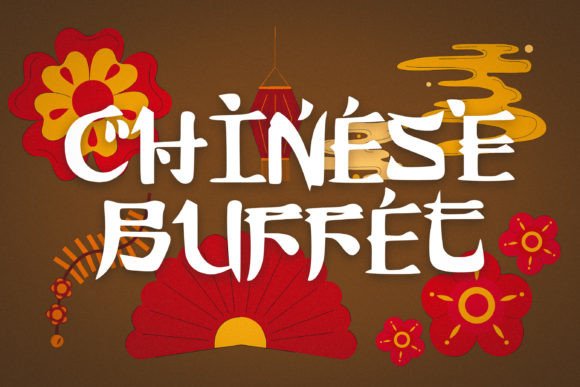
Chinese Buffet is a decorative display font inspired by traditional Chinese writing that offers web designers a unique tool for crafting memorable digital experiences. As one of the most versatile fonts in the modern typography landscape, it bridges the gap between cultural aesthetics and contemporary web usability. Whether you are building a landing page for a fusion restaurant or designing a bold header for a creative portfolio, this typeface provides the visual weight and character needed to capture immediate attention. Its distinct brush-like strokes and organic flow make it an excellent choice for brands seeking to establish a strong, authentic identity online.
Enhancing Visual Hierarchy in Hero Sections and Landing Pages
When integrating Chinese Buffet into your web design workflow, its primary strength lies in establishing a clear visual hierarchy within hero sections and above-the-fold content. As a decorative display font, it commands attention without overwhelming the user, provided it is used strategically. In landing page design, the first three seconds are critical for conversion; using Chinese Buffet for main headlines ensures that your core message stands out against minimalist backgrounds or high-quality imagery. The font’s inspiration from traditional Chinese writing gives it a hand-crafted feel, which adds warmth and personality to otherwise sterile digital interfaces. This makes it particularly effective for lifestyle brands, culinary websites, and cultural platforms where authenticity drives engagement.
For UI designers, the key is balancing the ornate nature of these fonts with ample white space. Because Chinese Buffet has significant visual presence, it performs best when given room to breathe. Avoid cluttering the hero section with too many competing elements. Instead, let the typography serve as the focal point, supported by simple navigation and a clear call-to-action button. This approach not only enhances readability but also guides the user’s eye naturally through the layout, improving overall user experience and reducing bounce rates.
Optimizing Readability for Mobile Screens and Responsive Layouts
While Chinese Buffet excels in large formats, responsive design requires careful consideration of scale and legibility on smaller devices. When adapting this decorative typeface for mobile screens, ensure that the font size remains large enough to maintain the integrity of its stroke details. On smartphones, intricate characters can blur if rendered too small, so it is advisable to use Chinese Buffet primarily for short headings rather than subheaders or body text. Testing across various viewports is essential to confirm that the font retains its impact without compromising accessibility standards.
Furthermore, contrast plays a vital role in mobile readability. When placing Chinese Buffet over image overlays or textured backgrounds, use solid color blocks or subtle shadows to ensure the text remains distinct. For dark mode interfaces, pairing light-colored instances of this font against deep backgrounds can create a striking, premium look. However, always verify that the contrast ratio meets WCAG guidelines to ensure inclusivity for all users. By prioritizing legibility alongside aesthetic appeal, you ensure that your digital product remains functional and engaging across all devices.
Strategic Font Pairing for Balanced Digital Brand Identities
Selecting the right companion typeface is crucial when working with Chinese Buffet, as its strong personality needs a neutral counterpoint to maintain balance in long-form content. Since Chinese Buffet is a decorative display font, it pairs exceptionally well with clean sans serif fonts for body copy. Typefaces like Inter, Roboto, or Open Sans provide the necessary neutrality, allowing the headline font to shine while ensuring that paragraphs remain easy to scan. This combination creates a professional yet creative tone, ideal for blogs, course sales pages, and editorial-style websites.
Alternatively, for a more sophisticated or traditional aesthetic, consider pairing Chinese Buffet with a classic serif font. This approach works well for luxury brands, boutique online stores, or cultural institutions aiming for an elevated digital presence. The contrast between the organic, brush-inspired strokes of Chinese Buffet and the structured elegance of a serif typeface creates a dynamic visual rhythm. When building a brand kit, define these pairings clearly to maintain consistency across all touchpoints, from social media graphics to email newsletters. Consistent typography reinforces brand recognition and builds trust with your audience.
Leveraging Decorative Fonts for Conversion-Focused Call-to-Actions
Beyond headlines, Chinese Buffet can be effectively used in conversion-focused areas such as limited-time offer banners or special event announcements. While it is not suitable for standard button labels due to its decorative nature, it can enhance the surrounding context to drive urgency and interest. For example, using Chinese Buffet for a "Summer Sale" banner header on an e-commerce site can evoke a sense of exclusivity and excitement. The unique style of these fonts differentiates your promotional materials from generic templates, making your offers feel more curated and valuable.
When using Chinese Buffet in marketing assets, keep the messaging concise. Short phrases and single words benefit most from the font’s artistic flair. Avoid long sentences, as the decorative details can become visually noisy and reduce comprehension speed. Instead, focus on impactful keywords that align with your brand voice. This strategic application ensures that the font enhances the user journey rather than obstructing it, leading to higher engagement rates and improved conversion metrics for your digital products.
Ensuring Commercial Compliance and Technical Implementation
Before deploying Chinese Buffet in client projects or commercial products, it is essential to review the licensing terms associated with the font file. Most premium fonts require specific licenses for web use, especially when embedded via @font-face or hosted on third-party services. Ensure that your license covers the expected traffic volume and domain usage to avoid legal complications. For agencies and freelancers, securing the correct commercial license protects both your reputation and your client’s brand integrity. Always check if the package includes webfont formats such as WOFF and WOFF2, which are optimized for fast loading and broad browser compatibility.
From a technical standpoint, optimizing the delivery of Chinese Buffet is crucial for maintaining site performance. Large font files can impact load times, so consider subsetting the font to include only the necessary characters and weights. This reduces file size and improves page speed, which is a key ranking factor for SEO. Additionally, implement font-display swap CSS properties to prevent invisible text during loading. By combining aesthetic excellence with technical precision, you ensure that Chinese Buffet enhances your web design without compromising performance, delivering a seamless experience for every visitor.